Top Qualities to Consider in a Business Electrician for Your Company
Determining the ideal commercial electrician is necessary for any business. Significant aspects such as necessary qualifications, proven background, and a emphasis on safety can substantially impact project execution. Quality interaction and modified approaches also remain essential in addressing specific organizational goals. Understanding these points can advance more prudent selections. What other aspects should organizations factor in when evaluating electricians?
Why Suitable Licenses and Accreditations Matter
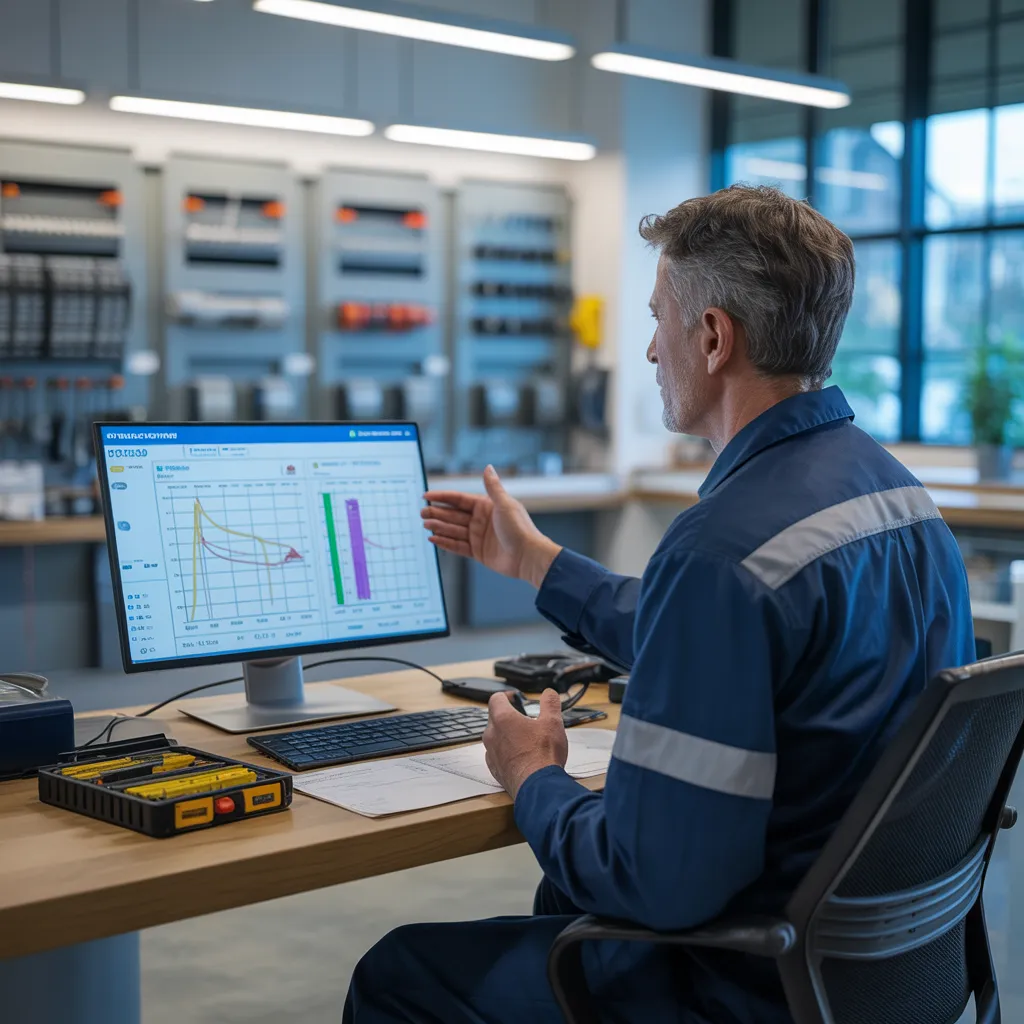
Regarding the field of commercial electrical work, valid licenses and certifications serve as essential indicators of a professional's competence and compliance with industry standards. These credentials guarantee that electricians possess the necessary skills and knowledge to handle sophisticated electrical systems securely and efficiently. Regulatory agencies establish rigorous courses and examinations that electrical professionals are required to complete to secure these qualifications, illustrating their dedication to optimal practices.
Furthermore, licenses often require continuous training, keeping practitioners updated on the latest innovations and protective standards. This continuous learning is crucial in a quickly changing industry where compliance with safety codes is critical. Employers and clients can have greater confidence when hiring electricians with confirmed qualifications, knowing that they are equipped to reduce dangers and guarantee high-quality work. Ultimately, the existence of appropriate credentials and certifications not only enhances the credibility of commercial electricians but also reinforces the overall safety and integrity of electrical installations.
Proven Experience in Commercial Undertakings
These experts are adept at implementing energy-efficient solutions and complying with industry regulations, guaranteeing that undertakings meet both operational and security requirements. Furthermore, their knowledge of diverse commercial structures—ranging from retail spaces to office buildings—positions them to anticipate potential issues and provide customized approaches.
Reviewing an electrician's track record featuring past commercial projects delivers invaluable insight into their problem-solving abilities and trustworthiness. Ultimately, selecting an electrician with proven commercial experience can substantially determine the performance and productivity of a company's electrical systems.
Prioritizing Safety Standards in Electrical Work
In the arena of commercial electrical work, emphasizing safety standards is vital. Compliance with regulations ensures that all installations fulfill legal requirements, while the use of quality materials shields against potential hazards. These approaches not only protect workers but also strengthen the dependability of electrical systems in commercial settings.
Observing Regulatory Rules
While managing the complexities of electrical work, a commercial electrician must stress compliance with regulations to ensure safety and functionality. Following local, state, and act now national codes is vital, as these guidelines are designed to protect both the public and the property. An experienced electrician understands that failure to comply can result in dangerous situations, legal repercussions, and costly repairs. Continuous training and updates on regulatory changes are essential for maintaining compliance. In addition, a reputable electrician will possess the necessary licenses and certifications, demonstrating their commitment to industry standards. Ultimately, emphasizing compliance not only improves safety but also fosters trust with clients, ensuring long-term success in commercial electrical projects.
Use Of High-Grade Materials
Superior materials play a key role in maintaining safety standards within electrical projects. Commercial electricians who prioritize the use of high-quality components mitigate risks associated with electrical failures, such as short circuits and fires. Employing robust materials strengthens system durability and ensures compliance with safety protocols. When selecting an electrician, it is important to inquire about the types of materials they use. Those electricians focused on quality will source components from reputable manufacturers, giving business owners peace of mind. Furthermore, the integration of quality materials demonstrates professionalism and a commitment to long-term performance. Ultimately, companies that value safety receive benefits in the form of reduced maintenance costs and a safer environment for employees and customers.
Why Effective Dialogue Competencies Are Necessary?
How can a commercial electrician proficiently manage challenging tasks if they are without robust communication abilities? Clear communication is essential for a successful collaboration between electricians, supervisors, and stakeholders. It assures that everyone is on the same page regarding technical requirements, project deadlines, and cost restrictions.
Electricians must articulate technical concepts in a way that non-experts can understand, enabling informed decision-making. Miscommunication can result in costly setbacks, safety concerns, or incomplete work. Furthermore, strong interpersonal skills build trust and rapport, establishing a positive working environment that enhances productivity.
Listening holds equal importance; a proficient electrician must be able to recognize client needs and preferences. This bilateral communication allows for refinements and issue resolution throughout the project. Ultimately, effective communication skills not only improve operations but also contribute to overall project success, making them a crucial quality for any commercial electrician.
Providing Specialized Electrical Solutions for Your Business Needs
Grasping the distinctive power requirements of a business is crucial for any commercial electrician. Each enterprise has different functional requirements, which can vary greatly based on sector, facility size, and particular equipment demands. A skilled business electrical specialist understands the importance of conducting thorough evaluations to identify these requirements, guaranteeing that solutions are not only productive but also cost-efficient.
Bespoke electrical solutions can span across efficient lighting setups to comprehensive rewiring projects and custom installations. By customizing services, electricians can enhance safety, improve energy efficiency, and facilitate company expansion. In addition, a knowledgeable electrician keeps current with sector guidelines and modern innovations, allowing for cutting-edge approaches that comply with present requirements.
Incorporating customized approaches ultimately leads to enhanced productivity and minimized interruptions, making it a vital quality in a professional electrical contractor. Businesses benefit greatly from electricians who prioritize individualized approaches, ensuring that all electrical systems integrate smoothly with business objectives.
What Favorable Customer Testimonials Reveal About Your Electrical Contractor?
Positive customer reviews act as a powerful indicator of an electrician's reliability and expertise. When businesses get steady commendation for an electrician's performance, it demonstrates not only technical competence but also excellent customer service skills. Positive feedback often emphasizes punctuality, professionalism, and clear communication, all essential qualities for a thriving commercial electrician.
In addition, testimonials can provide understanding of the electrician's problem-solving skills, illustrating how they handle unexpected obstacles. Customers regularly mention the standard of work, which is crucial for maintaining long-term safety and compliance with regulations.
Additionally, a considerable volume of positive feedback can establish a strong community reputation within the community, indicating that the electrician is trusted by peers and clients alike. Ultimately, these customer testimonials serve as a valuable guide for businesses looking to select correctly when picking the right electrician for their needs.
Typically Requested Information
What Approach Should I Use to Check an Electrician's Professional Licenses and Certificates?
To determine an electrician's credentials and qualifications, one should contact local or state regulatory agencies, inspect documentation provided by the electrician, and reference digital registries that monitor licensure status and any disciplinary records.
What Classes of Insurance Is Necessary for a Commercial Electrician?
A commercial electrician must obtain general liability insurance, workers' compensation insurance, and, if applicable, professional liability coverage. These insurances defend both the electrician and the client from potential accidents, damages, and legal claims during projects.
How Can I Evaluate an Electrician's Reliability and Punctuality?
To evaluate an electrician's reliability and punctuality, one should review client endorsements, verify references, and analyze past work completion dates. Additionally, assessing their communication skills can give insights into their dependability and commitment to schedules.
What Ordinary Expenses Accompany Engaging a Commercial Electrician?
Common charges for hiring a commercial electrician fluctuate based on project complexity, ranging from $50 to $150 per hour. Further variables encompass materials, location, and time constraint, with total project projections often hitting several hundred to thousands of dollars.
How Much Time Should a Commercial Electrical Project Take to Finish?
The duration of a commercial power project generally ranges from a few days to several weeks, based on the project's complexity, scope, and the productivity of the team of electricians working on the work.